- CMO 3.0 | The New Era of Marketing
- Posts
- The Death of Third-Party Data & the Rise of Trust-Driven Marketing
The Death of Third-Party Data & the Rise of Trust-Driven Marketing
How CMOs can turn privacy requirements into a competitive edge.

Mac Foster
December 02, 2025
Third-party cookies started dying back in 2017.
They eroded browser by browser, until the old way of doing marketing quietly changed forever.
Here’s the timeline of events:
2017 — Safari (Apple) introduces Intelligent Tracking Prevention (ITP), blocking most third-party cookies by default.
2019 — Firefox (Mozilla) rolls out Enhanced Tracking Protection, blocking third-party cookies for all users.
2020 — Edge (Microsoft) adopts tracking prevention modeled after Firefox and begins restricting cross-site cookies.
2024 — Chrome (Google) begins gradually phasing out third-party cookies (1% of users first, broader rollout planned into 2025).
2024—2025 — Chrome reverses its full cookie ban, creating a “user choice” model. Meaning tracking is now fragmented, unreliable, and consent-dependent.
The result?
First-party and zero-party data have become the most valuable assets inside a modern marketing org.
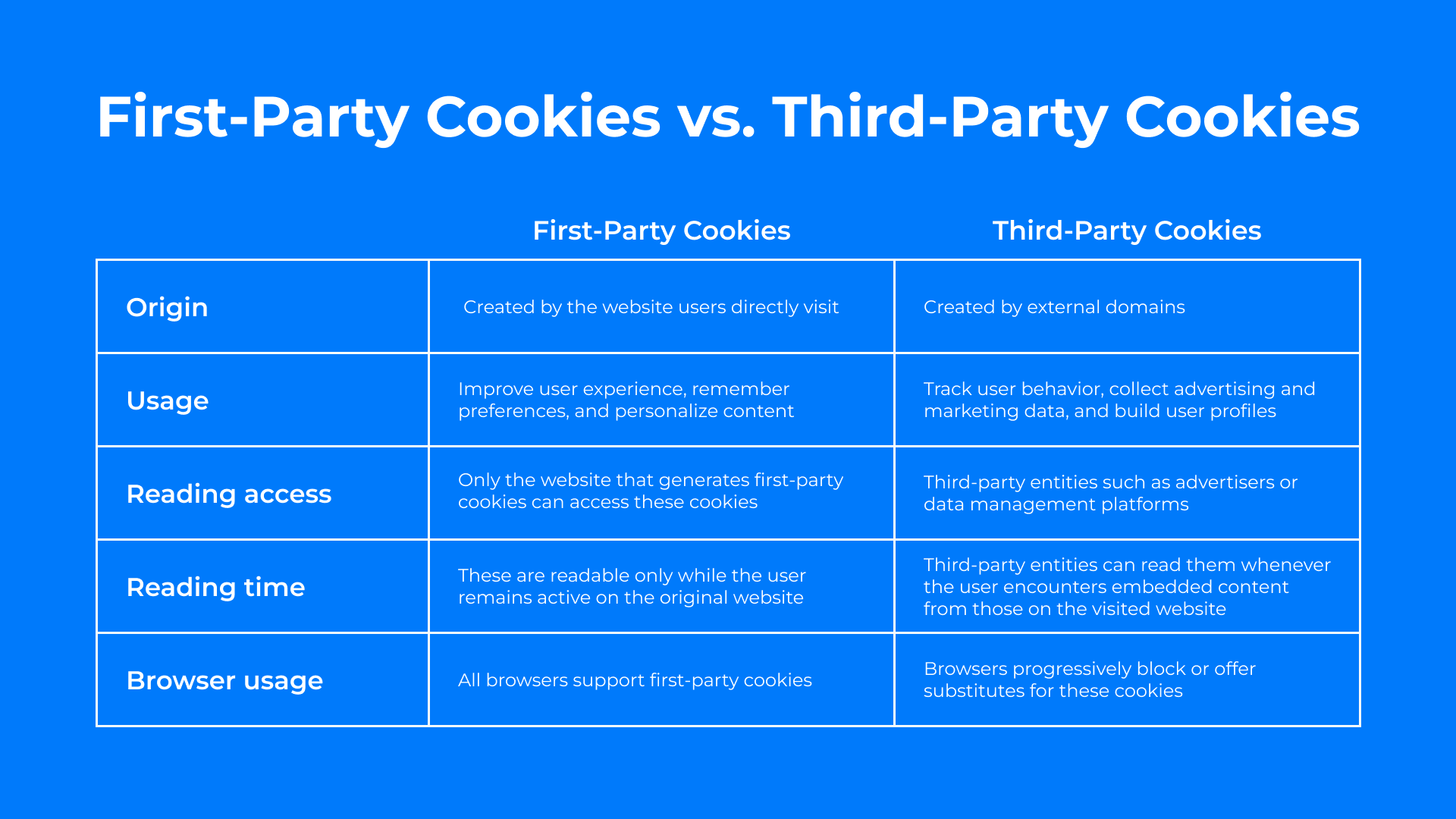
The brands that win the next era are the ones who build trust, capture data ethically, and turn that data into intelligent experiences.
Let’s break down what that means for marketers right now.

Privacy Is the New Performance
1. The Death of Third-Party Data Is Here
The old ecosystem of cross-site tracking, retargeting pixels, and rented audiences has evaporated.
Safari. Firefox. iOS. Chrome. All aligned.
And consumers? More privacy-savvy than ever.
Why it matters:
If your growth engine relies on someone else’s data, you don’t have a growth engine anymore.
What to do:
Start treating first-party data like infrastructure. It needs architecture, systems, governance. The days of scattered spreadsheets and abandoned forms are over.
2. Trust Is Now a Conversion Lever
According to Deloitte’s 2025 findings, brands with clear, transparent data-use policies outperform competitors in loyalty and long-term value.
Consumers reward companies they believe are on their side.
Why it matters:
Privacy is a signal of brand integrity.
What to do:
Proactively explain what you collect, why you collect it, and how it benefits the customer.
In 2026, transparency will be vital to your operations.
3. Zero-Party Data Is Gold
When customers choose to share preferences, intentions, and needs, they create a clean signal that no algorithm can reverse-engineer.
This is where modern personalization comes from.
Why it matters:
Zero-party data is higher quality, cheaper to manage, and legally durable.
What to do:
For SaaS: “How fast is your team really moving?” → Zero-party output: a benchmark report your audience actually wants
For eCommerce: “Choose your vibe” onboarding → Zero-party output: curated product drops or personalized bundles
For Newsletters: “Control the signal” settings page → Readers choose: analysis, tools, tactical plays, or industry news
This is the real power of zero-party data: customers tell you exactly how to serve them, and you use that signal to personalize without ever violating trust.

4. Intelligent Personalization Beats Targeting
With privacy tightening, brands are shifting from “targeting strangers” to serving customers better.
That’s a philosophical shift (and a competitive one).
Why it matters:
Personalization is only creepy when the data isn’t volunteered.
With consent-driven signals, it becomes a retention engine.
What to do:
Focus on “privacy-safe personalization.”
On-site behavioral tailoring
Email content aligned with declared preferences
Dynamic product feeds tied to owned data
This is where growth compounding will happen.
What You Can Do Today
Here are some immediate, practical moves I’ve put together that every modern marketer can implement:
Run a data audit. Identify every touchpoint where you collect customer information and evaluate if it’s clear, valuable, and necessary.
Launch a zero-party data capture moment. A quiz, onboarding flow, or preference update request can unlock massive downstream personalization.
Build a basic value exchange. Give customers something meaningful in return for cleaner data. I.e. recommendations, curated bundles, tailored content, early access.
Clean your consent framework. Make it simple, visual, and trustworthy. Ambiguity will kill your conversions.
Small steps compound. Privacy is built one interaction at a time.

Segment is one of the most effective ways to build a modern, privacy-first data foundation and orchestrate customer truth across your entire stack.
It helps teams:
Collect first-party data from every owned surface
Clean and standardize customer profiles across systems
Enrich users with consent-safe attributes
Activate audiences in paid and owned channels without duplicating or exposing data

Why it matters for CMOs:
Segment isn’t just a data hygiene tool. It’s the orchestration layer that keeps every system aligned to the same customer truth. It connects what your customer shares with what your platforms deliver, making consent-synced personalization both scalable and safe.
In a privacy-first world, this is what turns personalization from a liability into a competitive advantage.
Use it to create a single, trusted profile that powers strategy, messaging, and activation across your entire marketing ecosystem.
If you’re new to Segment, start here:

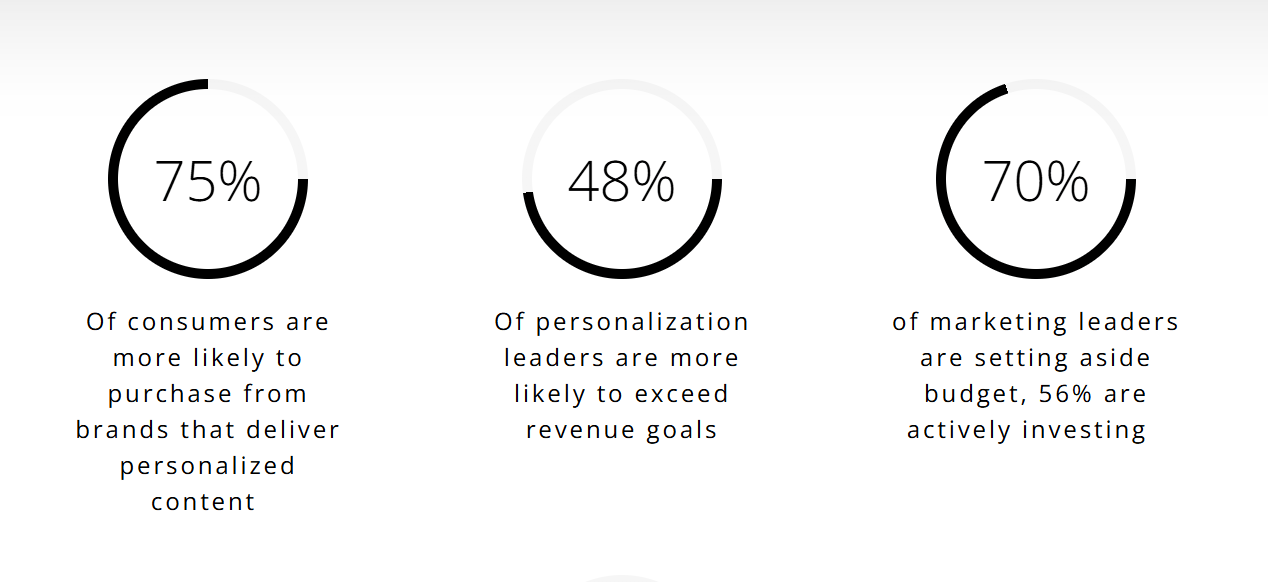
Deloitte’s 2025 report highlights a powerful shift in marketing: brands that adopt privacy-first personalization outperform in loyalty, retention, and consumer trust.
The report shows that consumers increasingly prefer brands that:
communicate data practices clearly
personalize based on volunteered information
offer transparency and control
Key takeaway:
Privacy used to slow marketers down; now it builds loyalty.

Privacy Is the New Advantage
Third-party data is disappearing, browser by browser.
The good news is, trust is rising.
And the brands that treat data ethically will outpace the ones trying to skirt the system.
This is where modern marketing is going:
consent over coercion
personalization over targeting
architecture over hacks
trust over tricks
The question is no longer, “What data can we capture?”
Instead, it’s shifted to, “What data will customers willingly share and what value do we give in return?”
The CMOs who answer that well will lead the next era.
TLDR
Third-party data is dead.
First-party and zero-party signals are your new competitive advantage.
Transparency builds trust, trust builds conversion.
Intelligent personalization beats old-school targeting.
If you don’t own your data, you don’t own your growth.
Until next time,
— Mac
Your readers want great content. You want growth and revenue. beehiiv gives you both. With stunning posts, a website that actually converts, and every monetization tool already baked in, beehiiv is the all-in-one platform for builders. Get started for free, no credit card required.
When you’re ready, here’s how I can help you:
Schedule a session with me. Discover how Foster & Co. can drive your company towards peak growth.
Foster & Co. services. I work with marketing teams inside agencies, growth-stage startups and public companies.
Share CMO 3.0 with your team or network – Know someone who’d benefit from smarter marketing insights? Send them this link and help them level up.